There is something about a stack of pancakes on a slow morning that makes the whole house feel different. The butter sizzling, the smell of vanilla drifting down the hallway, someone wandering into the kitchen half asleep asking if breakfast is nearly ready. I have made pancakes more times than I can count — for birthdays, for lazy Sundays, for Tuesday nights when nobody felt like cooking a proper dinner — and this is the recipe I always come back to. It is simple, it is forgiving, and it makes pancakes that are genuinely tall and fluffy, not flat and sad.
What makes these pancakes work is not one magic ingredient, but a few small things done right. Buttermilk gives the batter a gentle tang and reacts with the baking soda to lift the pancakes. A proper rest lets the flour hydrate and the baking powder get going. And the golden rule — the one I break every time I am in a hurry and regret every time — is not to overmix the batter. A few lumps are not just okay, they are the whole point.
Prep time: 10 minutes | Cook time: 15 minutes | Serves: 4 (about 8 medium pancakes) | Difficulty: Easy
Ingredients
- 2 cups (250g) plain flour
- 2 tablespoons sugar
- 2 teaspoons baking powder
- 1/2 teaspoon baking soda
- 1/2 teaspoon fine salt
- 2 cups (480ml) buttermilk, at room temperature
- 2 large eggs
- 3 tablespoons melted butter, plus more for the pan
- 1 teaspoon vanilla extract
- Maple syrup, fresh berries, and extra butter, to serve
Method
- Mix the dry ingredients. In a large bowl, whisk together the flour, sugar, baking powder, baking soda, and salt. Whisking rather than stirring matters here — it spreads the raising agents evenly, so every pancake rises the same way.
- Mix the wet ingredients. In a jug or second bowl, whisk the buttermilk, eggs, melted butter, and vanilla until smooth. If your buttermilk is cold from the fridge, let it sit on the counter for ten minutes first. Cold batter hits a hot pan and seizes up a little, and the pancakes do not rise as well.
- Combine, gently. Pour the wet ingredients into the dry ingredients and stir with a fork or a whisk, just until the flour disappears. Stop the moment you cannot see dry flour anymore. The batter should look lumpy and a bit rough — that is exactly right. If you keep stirring until it is smooth, you will develop the gluten and end up with tough, rubbery pancakes.
- Let it rest. Leave the batter alone for 5 to 10 minutes. You will see little bubbles forming on the surface. This rest is doing real work: the flour absorbs the liquid, the baking powder starts producing gas, and the pancakes will be noticeably taller for it. Use this time to warm the plates and get the toppings ready.
- Heat the pan. Put a large non-stick frying pan or griddle over medium heat. Add a small knob of butter and let it melt and foam. The pan is ready when a drop of water sizzles and evaporates in a couple of seconds. Too hot and the outside burns before the middle cooks; too cool and the pancakes spread into sad, pale discs.
- Cook the first side. Ladle about a third of a cup of batter per pancake into the pan, leaving space between them. Cook for 2 to 3 minutes, until bubbles appear across the surface and the edges look set and slightly dry. This is the moment people rush. Wait for the bubbles — they are your signal.
- Flip once, and only once. Slide a spatula underneath, flip confidently, and cook the second side for 1 to 2 minutes until golden. Resist the urge to press the pancake down with the spatula. It feels satisfying, but it squeezes out all the air you worked to build in.
- Keep them warm and serve. Transfer finished pancakes to a plate in a low oven (around 100°C / 200°F) while you cook the rest. Serve in a tall stack with a knob of butter melting over the top, a generous pour of maple syrup, and a handful of berries if you have them.
Tips for the fluffiest pancakes
- No buttermilk? Stir 2 tablespoons of lemon juice or white vinegar into 2 cups of milk and leave it for 10 minutes. It will curdle slightly and work just as well.
- Make them your own. Fold in a handful of blueberries, chocolate chips, or sliced banana after mixing. Add the extras to the batter, not the pan, so they distribute evenly.
- Keep the heat steady. If the first batch browns too fast, turn the heat down a notch and let the pan recover for a minute before the next round. The second batch is almost always better than the first, and that is completely normal.
- Leftovers keep well. Cool leftover pancakes completely, then freeze them in a single layer in a bag. They reheat beautifully in the toaster on a busy morning.
The best pancake mornings are not about perfection. They are about a warm kitchen, a slightly chaotic table, and a stack of golden pancakes disappearing faster than you can cook them. Make this recipe once, and I promise it will become the one you reach for every time — the one your family asks for by name. And honestly, that is the best compliment a recipe can get.
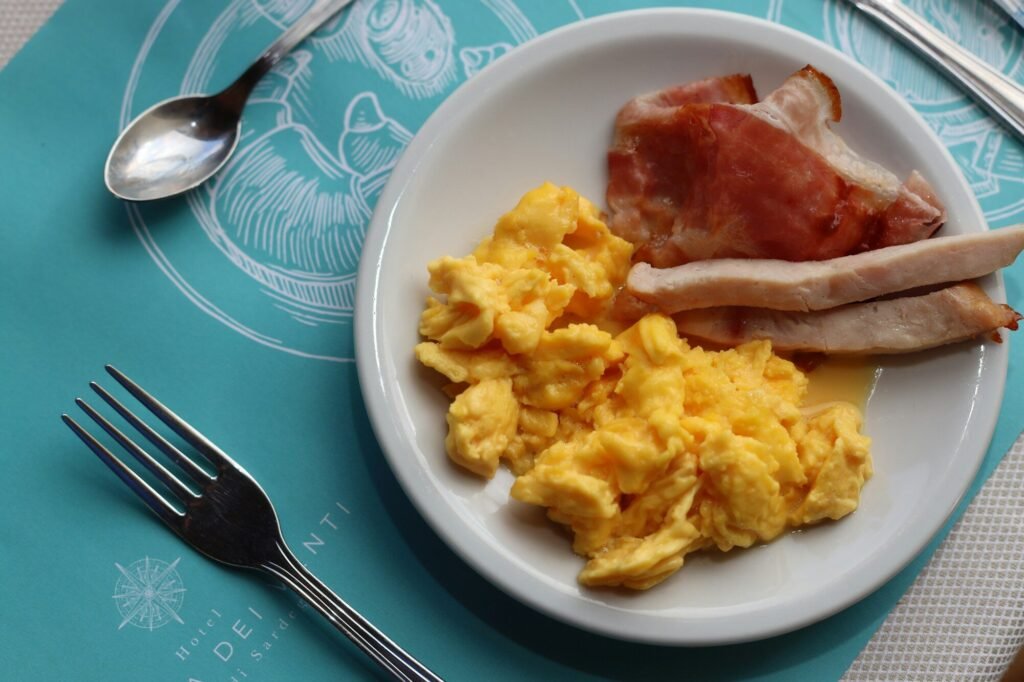
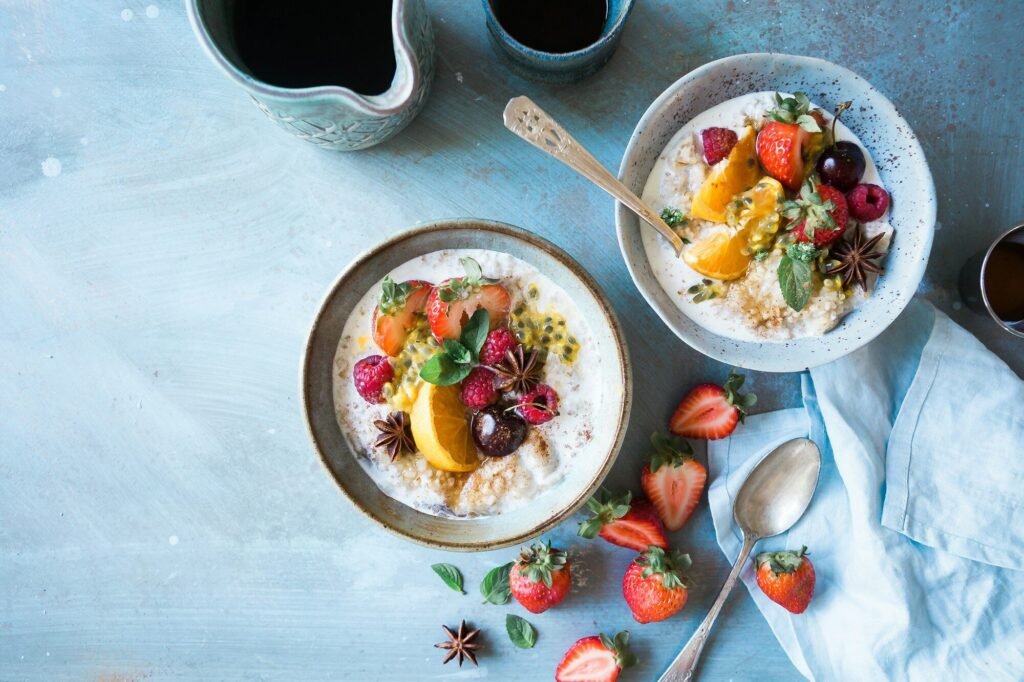
Serving ideas: If you want to turn these into something a little special, try a warm berry compote — just simmer a cup of mixed berries with a spoonful of sugar and a squeeze of lemon for five minutes until jammy. Or go the savoury route, with crispy bacon and a fried egg on the side, which sounds odd until you try the sweet-salty combination. Either way, make a double batch: they never last long in our house.