Spaghetti bolognese is the dish most of us grew up with, and it is also the dish most of us have been making wrong for years. The jarred-sauce version, the one that takes fifteen minutes and tastes vaguely of tomatoes, is not really bolognese at all. A proper bolognese — a real ragù, the way it is made in Bologna — is a slow, patient thing. It simmers for hours, not minutes, and what comes out of the pot is deep, rich, and almost meaty in a way that has very little to do with tomatoes.
The secret is time. Time for the beef to brown properly, time for the wine to cook down, time for the milk to soften the meat, and time for the whole sauce to reduce into something thick and glossy. You cannot rush a bolognese. But you also do not need to stand over it — once it is simmering on the lowest heat, it mostly looks after itself, and the house fills with a smell that makes everyone hungry long before dinner.
This is a weekend recipe. Put it on in the afternoon, let it bubble away while you get on with your day, and serve it in the evening with a mountain of spaghetti and a snowfall of Parmesan. It is one of the most satisfying things you will ever cook.
Prep time: 20 minutes | Cook time: 2 hours 30 minutes | Serves: 6 | Difficulty: Medium
Ingredients
- 500g minced beef
- 150g pancetta or streaky bacon, diced
- 1 onion, finely diced
- 2 carrots, finely diced
- 2 sticks celery, finely diced
- 3 cloves garlic, minced
- 150ml red wine
- 150ml whole milk
- 400g tin chopped tomatoes
- 2 tablespoons tomato paste
- 500ml beef stock
- 2 bay leaves
- 500g spaghetti
- Freshly grated Parmesan, to serve
- 2 tablespoons olive oil
- Salt and black pepper
Method
- Build the base. Heat the olive oil in a large, heavy pot over medium heat. Add the pancetta and cook until it starts to crisp. Then add the onion, carrot, and celery — the classic soffritto — and cook gently for 8 to 10 minutes, until soft and sweet. This slow start builds the flavour foundation of the whole sauce, so do not rush it.
- Brown the beef properly. Turn the heat up and add the minced beef. Break it up and let it brown deeply, stirring occasionally, for 8 to 10 minutes. You want real colour here — dark, caramelised edges, not grey, steamed meat. Add the garlic in the last minute so it does not burn.
- Deglaze with wine. Pour in the red wine and let it bubble for 2 to 3 minutes, scraping up all the browned bits from the bottom of the pot. Those bits are pure flavour. Then add the milk and let it simmer for a few minutes until it is mostly absorbed — the milk softens the meat and gives the sauce its characteristic richness.
- Add tomatoes and stock. Stir in the chopped tomatoes, tomato paste, beef stock, and bay leaves. Season with salt and pepper. Bring to a gentle simmer, then turn the heat down to the lowest possible setting. The sauce should barely bubble — a slow blip every few seconds, not a rolling boil.
- Simmer low and slow. Cover the pot with the lid slightly ajar and let it simmer for at least 2 hours, stirring every 20 minutes or so. The sauce will reduce, darken, and thicken into something rich and glossy. If it gets too thick, add a splash of water or stock. If it is still thin at the end, cook it uncovered for the last 20 minutes.
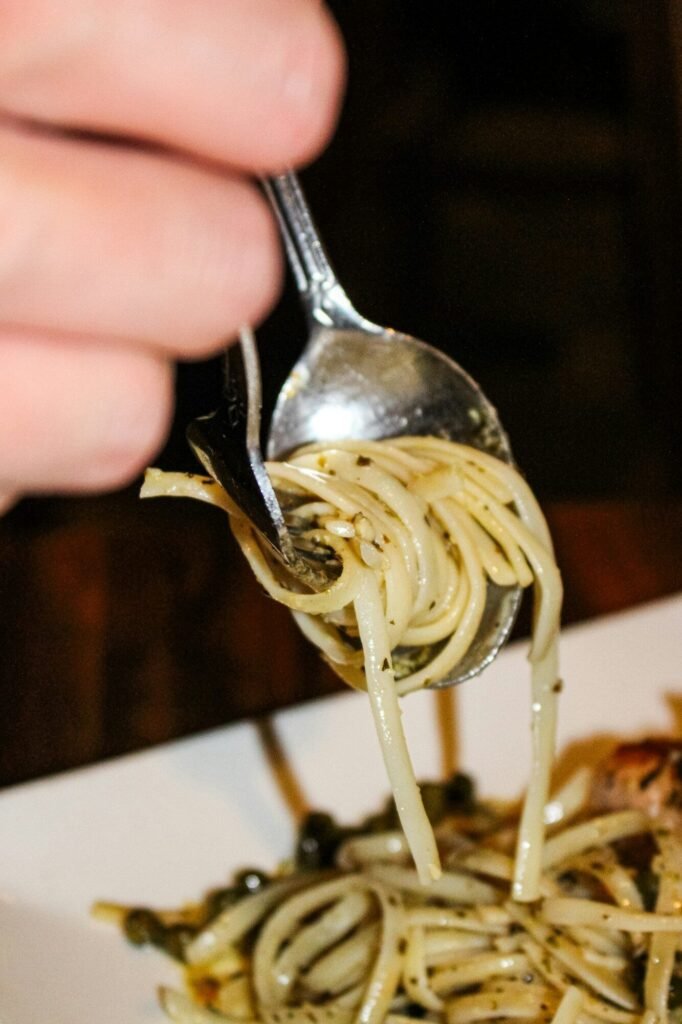
- Cook the pasta. When the sauce is nearly ready, bring a large pot of salted water to a boil and cook the spaghetti until just shy of al dente. Before draining, save a mug of the pasta water. Drain the spaghetti and add it straight to the sauce, tossing with tongs and adding splashes of pasta water until the sauce clings to every strand.
- Serve generously. Twirl the spaghetti into warm bowls, spoon over extra sauce, and finish with a generous snowfall of Parmesan. Serve immediately, with good bread for the sauce that escapes the bowl.
Tips for the best bolognese
- Do not skip the milk. It sounds strange, but the milk is traditional and it matters — it tenderises the meat and rounds out the acidity of the tomatoes, giving the sauce a softer, richer flavour.
- Small dice, big flavour. Cut the soffritto vegetables as finely as you can. They should melt into the sauce, not sit in chunks.
- Longer is better: Two hours is the minimum. Three is better. The sauce only improves with time, so start early and let it be.
- Use the right pasta: In Bologna, ragù is served with tagliatelle, not spaghetti — the wide ribbons hold the sauce better. Spaghetti is delicious too, so use whichever you love.
- Make a double batch. Bolognese freezes beautifully for up to 3 months. Freeze the sauce in portions and you have the start of a wonderful dinner on any busy night.
What to serve with it: A simple green salad with lemon and olive oil is all you need alongside — something fresh and sharp to cut through the richness. Garlic bread is never a bad idea either. And for dessert, keep it simple: a scoop of vanilla ice cream, or a few squares of dark chocolate with coffee.
There is something deeply satisfying about a bolognese that has simmered all afternoon. It is not fast food, and it is not meant to be. It is the kind of cooking that fills the house with warmth and brings everyone to the table without being asked. Make it on a Sunday, eat it with the people you love, and freeze the rest for a rainy day. That is the whole point.